ROHS E192988 Circuit Board
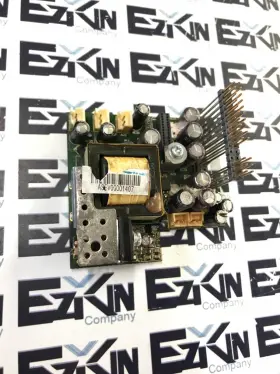
( Brand: Rohs ), ( Manufacturer Part Number: E192988 ), ( Part Type: Circuit Board )
Review ROHS Circuit Board
The ROHS E192988 circuit board is a robust and high-performance printed circuit board (PCB) designed to meet the strict RoHS (Restriction of Hazardous Substances) directive standards. This directive restricts the use of specific hazardous materials in the production of electronic components and their assembly.
The E192988 circuit board is manufactured using high-quality, lead-free solder alloys and components, ensuring compliance with RoHS directive requirements. It is also free from other restricted substances such as cadmium, mercury, hexavalent chromium, and polybrominated biphenyls (PBB) and polybrominated diphenyl ethers (PBDE).
This PCB features a high-density design, with numerous surface-mounted components and through-hole components. The board is made of a high-quality, flame-retardant material, ensuring improved safety and reliability. It also has a fine pitch design, allowing for the placement of smaller and more complex components, which results in a more compact and efficient design.
The board's copper traces and pads are plated with a thin layer of gold or nickel, providing excellent electrical conductivity and resistance to corrosion. The board's surface finish is coated with an immaculate solder mask, ensuring that the copper traces are protected from external contaminants, and the silkscreened markings are clear and legible.
The ROHS E192988 circuit board undergoes rigorous testing and inspection to ensure its electrical and mechanical properties meet the highest standards. These tests include dimensional analysis, electrical continuity, X-ray inspection, and visual inspection. The board is also tested for its ability to withstand harsh environmental conditions, such as temperature extremes, humidity, and vibration.
Overall, the ROHS E192988 circuit board is a reliable and high-performance solution for electronic design and manufacturing applications where RoHS compliance is required. Its high-density design, use of lead-free materials, and rigorous testing make it an ideal choice for manufacturers looking to produce high-quality, RoHS-compliant electronic products.
ROHS (Restriction of Hazardous Substances) compliance is an important consideration when purchasing circuit boards to ensure they meet environmental and health safety standards. The ROHS directive restricts the use of certain hazardous materials, including lead, cadmium, mercury, and others, in the production of electronic equipment. Here are some pros and cons of buying a ROHS compliant circuit board with the specific identification number E192988:
Pros:1. Environmental Friendliness: ROHS compliant circuit boards are free from hazardous substances, making them more environmentally friendly. They help reduce the amount of hazardous waste generated during production and disposal.
2. Health and Safety: ROHS compliant circuit boards are safer for workers as they do not contain hazardous materials. This helps protect the health of those involved in the production, assembly, and disposal of electronic equipment.
3. Compliance with Regulations: ROHS compliance is mandatory in the European Union and many other countries. By purchasing ROHS compliant circuit boards, you ensure that your products meet the regulatory requirements of various markets.
4. Future-Proofing: As more countries adopt ROHS and similar regulations, purchasing ROHS compliant circuit boards ensures that your products will remain compliant in the future.
5. Increased Consumer Confidence: Consumers are increasingly concerned about the environmental impact and health and safety of the products they buy. By using ROHS compliant circuit boards, you can build consumer trust and confidence in your brand.
Cons:1. Higher Cost: ROHS compliant circuit boards can be more expensive to produce due to the additional costs associated with sourcing and processing alternative materials. This cost can be passed on to the consumer.
2. Limited Supplier Options: Not all suppliers offer ROHS compliant circuit boards, particularly smaller or less established suppliers. This can limit your options and potentially increase lead times.
3. Complexity: ROHS compliance adds an additional layer of complexity to the supply chain, requiring more documentation and communication between suppliers and manufacturers.
4. Potential for Supply Chain Disruptions: As more companies adopt ROHS compliance, there may be increased demand for ROHS compliant circuit boards, potentially leading to supply chain disruptions and price volatility.
Conclusion:ROHS compliance is an important consideration for companies looking to produce electronic equipment that meets environmental and health safety standards. While there are some costs and challenges associated with using ROHS compliant circuit boards, the benefits, such as reduced environmental impact, increased consumer confidence, and regulatory compliance, far outweigh the drawbacks. By working with reputable suppliers and carefully managing your supply chain, you can mitigate the potential risks and ensure a smooth transition to ROHS compliant components.
Recommendation:We recommend that companies prioritize the use of ROHS compliant circuit boards in their electronic products, particularly those targeting the European market or consumers who prioritize environmental and health safety. To minimize costs and ensure a smooth supply chain, it is important to work with reputable and established suppliers and thoroughly vet their ROHS compliance processes. Additionally, planning and communication with your suppliers and manufacturers can help mitigate any potential disruptions or complexities associated with the transition to ROHS compliant components.
Details:
part #: e192988 prices
- $99.99-$199.99
specifications induservo:
- brand: Rohs
- mpn: E192988
- part type: Circuit Board
seller induservo:
- rating: 99.6%
- city: Middletown, Ohio
- # reviews: 6020
returns induservo:
- time: 30 Days
- policy: Returns Accepted
- paid by: Buyer
- method: Money back
offer induservo:
- sold: 0
- options: Ship-to-home
- availability: In Stock
- best offers: True
- quantity: 1
- started: March 10, 2025
general induservo:
- condition: Used
- Drives Starters > Drives Motor Controls > Servo Drives Amplifiers
payments induservo:
- credit card: Diners-club
- other
- wallet: Paypal
shipping induservo:
- type: Calculated
- service: USPS Priority Mail, UPS Ground, UPS Next Day Air
- class: Expedited, Standard, One-day
- carrier: USPS, UPS
- transit: 3-7 Days
- cost: $12.05
