ECT Moore Din Signal Isolator Convertor ECT/4-20MA/2X4-20MA/117AC-RF
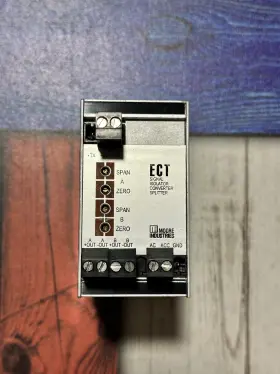
( Brand: Ect ), ( Manufacturer Part Number: ECT/4-20MA/2X4-20MA/117AC-RF ), ( Model: ECT/4-20MA/2X4-20MA/117AC-RF DIN ), ( Part Type: Signal ), ( Unit Type: Unit ), ( Country Of Origin: United States )
Review ECT Ect/4-20ma/2x4-20ma/117ac-rf Moore Industries Din Signal Isolator Convertor
Introducing the 4-20mA/2x4-20mA/117AC-RF MOORE DIN Signal Isolator Converter, a versatile and essential component for any industrial automation system requiring the isolation of current loops. This device offers excellent protection against electromagnetic interference (EMI) and radio frequency interference (RFI), ensuring reliable and accurate signal transmission.
The 4-20mA/2x4-20mA part of the name indicates that this converter can handle two independent current loops, each with a maximum current of 20mA. It is designed to convert and isolate the 4-20mA current loop signals to RF signals for transmission over longer distances. The 117AC-RF designation signifies that this converter operates on an AC power supply with a voltage range of 117 volts.
The MOORE DIN design refers to the manufacturer, MOORE Industries, and the DIN rail mounting standard, which enables easy installation and integration into existing DIN rail enclosures. This converter is built to withstand harsh industrial environments, making it an ideal choice for applications in process control, temperature monitoring, flow measurement, and other critical industrial applications.
The converter features multiple protection functions, including overvoltage, undervoltage, overcurrent, and short circuit protection. These features ensure the long-term reliability of the device and prevent potential damage to the system. The device also has a built-in LED indicator, which shows the status of the power and the isolation.
The 4-20mA/2x4-20mA/117AC-RF MOORE DIN Signal Isolator Converter is designed to meet the highest industry standards, including CE, UL, and CSA. It offers a high isolation voltage of 2500VAC, providing excellent protection against common mode and differential mode noise.
In summary, the 4-20mA/2x4-20mA/117AC-RF MOORE DIN Signal Isolator Converter is a robust and versatile device, designed to protect and transmit current loop signals in industrial automation systems. With its ability to handle two independent current loops, RF transmission, and DIN rail mounting, this converter is a valuable addition to any industrial application where reliable signal transmission is essential.
A signal isolator converter, also known as a transducer interface unit (TIU), is an electronic device used to isolate and convert electrical signals between different systems. These devices are commonly used in industrial automation and control systems to prevent electrical noise and interference from affecting the accuracy of measurements. Here are some pros and cons of buying a signal isolator converter, specifically a model that supports 4-20mA, 2x4-20mA, and 117AC-RF Moore DIN signals.
Pros:1. Signal Isolation: The primary function of a signal isolator converter is to isolate electrical signals between different systems. This can help prevent ground loops, electrical interference, and noise from affecting measurement accuracy.
2. Signal Conversion: These devices also provide signal conversion, allowing for compatibility between different signal types. In the case of a 4-20mA, 2x4-20mA, and 117AC-RF Moore DIN signal isolator converter, it can convert between the different signal types mentioned.
3. Improved System Reliability: By preventing electrical noise and interference, signal isolator converters can help improve system reliability and reduce downtime.
4. Wide Compatibility: This type of signal isolator converter is compatible with a wide range of industrial automation and control systems.
Cons:1. Cost: Signal isolator converters can be more expensive than other types of electrical components, such as simple signal converters.
2. Complexity: These devices may be more complex to install and configure than simpler signal converters.
3. Size: Signal isolator converters may be larger and bulkier than other types of signal converters, requiring more space in control panels or Junction Boxes.
Conclusion:Signal isolator converters are essential components in industrial automation and control systems, providing both signal isolation and conversion capabilities. While they may be more expensive and complex than simpler signal converters, their ability to improve system reliability and prevent electrical interference makes them a worthwhile investment. If you are working with 4-20mA, 2x4-20mA, and 117AC-RF Moore DIN signals, then a signal isolator converter that supports these signal types would be a valuable addition to your system.
Recommendation:When selecting a signal isolator converter, consider the specific signal types and system requirements of your application. Look for a reputable manufacturer with a proven track record in providing high-quality signal isolator converters. Additionally, ensure that the device is compatible with your control system and meets any relevant industry standards. A well-designed and reliable signal isolator converter can help improve system performance, reduce downtime, and ensure accurate measurements in your industrial automation or control application.
Details:
The Moore Industries ECT/4-20MA/2X4-20MA/117AC-RF DIN Signal Isolator Convertor is a unit designed to convert signals from 4-20mA 117AC, providing isolation between the input and output. With its reliable ECT brand and model specifications, this signal isolator converter ensures accurate stable conversion for improved system performance protection. Its compact DIN design makes it easy to install in industrial automation and motion control systems.
part #: 420ma prices
- $109.65-$250.00
specifications induservo:
- brand: Ect
- mpn: Ect/4-20ma/2x4-20ma/117ac-rf
- model: Ect/4-20ma/2x4-20ma/117ac-rf Din
- part type: Signal
- unit type: Unit
- country of origin: United States
seller induservo:
- # reviews: 442
- rating: 100.0%
- city: San Marcos, Texas
returns induservo:
- policy: No Returns
payments induservo:
- other
- money order
- wallet: Paypal
- credit card: Mastercard
offer induservo:
- best offers: True
- quantity: 1
- sold: 0
- options: Ship-to-home
- availability: In Stock
- started: May 8, 2026
shipping induservo:
- carrier: UPS
- class: Economy
- service: UPS Ground Saver
- transit: 5-11 Days
- cost: $40.32
- type: Calculated
general induservo:
- condition: Used
- Drives Starters > Drives Motor Controls > Servo Drives Amplifiers
