AVANTECH PCI-1751 Advantech 1PCS REV.A1-02-3
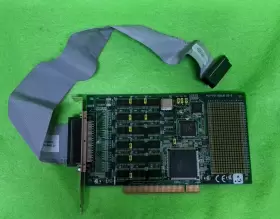
( Brand: Avantech ), ( Manufacturer Part Number: PCI-1751 ), ( Model: 1PCS USED ADVANTECH PCI-1751 REV.A 02-3 )
Review AVANTECH Advantech
The Avantech PCI-1751 is a high-performance, industrial-grade PCI-Express (PCIe) digital I/O card designed for industrial automation and control applications. This advanced I/O card is manufactured by Avantech, a renowned provider of reliable and durable industrial computing solutions.
The PCI-1751 features 175 digital I/O channels, with 128 inputs and 47 outputs, making it an ideal solution for applications that require a large number of I/O points. Each I/O channel supports voltages ranging from 0V to 5V or 0V to 10V, providing versatility for various input and output requirements.
The card is equipped with a high-speed 24-bit ADC and DAC, ensuring accurate and precise data acquisition and output. It supports high-speed data transfer rates of up to 800 Mbps, enabling real-time data communication and control. The PCI-1751 also supports various communication protocols, including Modbus RTU, Modbus TCP, and EtherCAT, allowing seamless integration with existing systems and devices.
The PCI-1751 is built with robust materials and components to ensure durability and reliability in harsh industrial environments. It is compliant with industrial standards, such as EN 60068-2-64 and EN 50155, ensuring resistance to vibration, shock, and temperature extremes. The card is also designed with a compact form factor, making it easy to install in a wide range of industrial computing platforms.
In conclusion, the Avantech PCI-1751 is a powerful and versatile digital I/O card that offers a large number of I/O channels, high-speed data transfer, and support for various communication protocols. Its robust design and compliance with industrial standards make it an ideal solution for industrial automation and control applications.
Advantech PCI-1751 and Advantech A1-02-3 are both industrial-grade PCIe-to-RS232/422/485 converter cards manufactured by Advantech, a leading provider of industrial automation and embedded computing solutions. Here are some pros and cons of buying a Advantech PCI-1751 and Advantech A1-02-3:
Advantech PCI-1751: Pros:1. High-quality construction: The PCI-1751 is built with high-quality components, ensuring reliable performance and long-term use in industrial environments.
2. Wide range of support: The PCI-1751 supports a wide range of serial communication protocols, including RS232, RS422, and RS485, making it a versatile choice for various industrial applications.
3. High data transfer rates: The PCI-1751 offers high data transfer rates, up to 12 Mbps, ensuring fast and efficient data transfer between the computer and devices connected through serial communication.
4. Programmable features: The PCI-1751 offers programmable features such as flow control, handshaking, and error detection, allowing for customization of the communication settings to suit specific application requirements.
Cons:1. High price: The PCI-1751 is relatively expensive compared to other PCIe-to-RS232/422/485 converter cards on the market, which may make it a cost-prohibitive option for some users.
2. Requires a PCIe slot: The PCI-1751 requires a PCIe slot on the motherboard of the computer, which may not be available or may be in limited supply on some systems.
3. Limited number of ports: The PCI-1751 has only two RS232, two RS422, and two RS485 ports, which may not be sufficient for applications requiring a larger number of serial connections.
Advantech A1-02-3: Pros:1. Compact and easy to install: The Advantech A1-02-3 is a compact and easy-to-install PCIe-to-RS232/422/485 converter card, making it a suitable choice for users who require a simple and straightforward solution.
2. Affordable price: Compared to the PCI-1751, the A1-02-3 is more affordable, making it a cost-effective option for users with a limited budget.
3. Supports a wide range of serial communication protocols: The A1-02-3 supports RS232, RS422, and RS485, making it a versatile choice for various industrial applications.
Cons:1. Lower data transfer rates: The A1-02-3 has lower data transfer rates compared to the PCI-1751, with a maximum of 6 Mbps, which may result in slower data transfer for some applications.
2. Limited programmable features: The A1-02-3 has limited programmable features, such as flow control and error detection, which may not be suitable for applications requiring more advanced communication settings.
3. Limited number of ports: The A1-02-3 has only two RS232, two RS422, and two RS485 ports, which may not be sufficient for applications requiring a larger number of serial connections.
Conclusion:Both the Advantech PCI-1751 and Advantech A1-02-3 are high-quality PCIe-to-RS232/422/485 converter cards that offer reliable performance and a wide range of serial communication support. The choice between the two depends on the specific requirements of the application and the user's budget. If high data transfer rates, programmable features, and a larger number of ports are required, the PCI-1751 may be the better choice. However, if a compact, easy-to-install, and cost-effective solution is needed, the A1-02-3 may be the more suitable option. Ultimately, it is essential to consider the specific requirements of the application and weigh the pros and cons of both options to make an informed decision.
Details:
specifications induservo:
- brand: Avantech
- mpn: Pci-1751
- model: 1pcs Used Advantech Pci-1751 Rev.a 02-3
returns induservo:
- paid by: Buyer
- time: 30 Days
- policy: Returns Accepted
- method: Money back
general induservo:
- condition: Used
- Drives Starters > Drives Motor Controls > Servo Drives Amplifiers
shipping induservo:
- class: Economy, Standard
- transit: 7-16 Days
- type: Calculated
- service: USPS Media Mail, FedEx Ground or FedEx Home Delivery
- cost: $0.00
- carrier: USPS, FedEx
payments induservo:
- wallet: Apple-pay
- credit card: Mastercard
seller induservo:
- city: Shingle Springs, California
- rating: 98.3%
- # reviews: 2762
offer induservo:
- started: June 22, 2024
- best offers: True
- options: Ship-to-home
- availability: In Stock
- sold: 0
- quantity: 1
